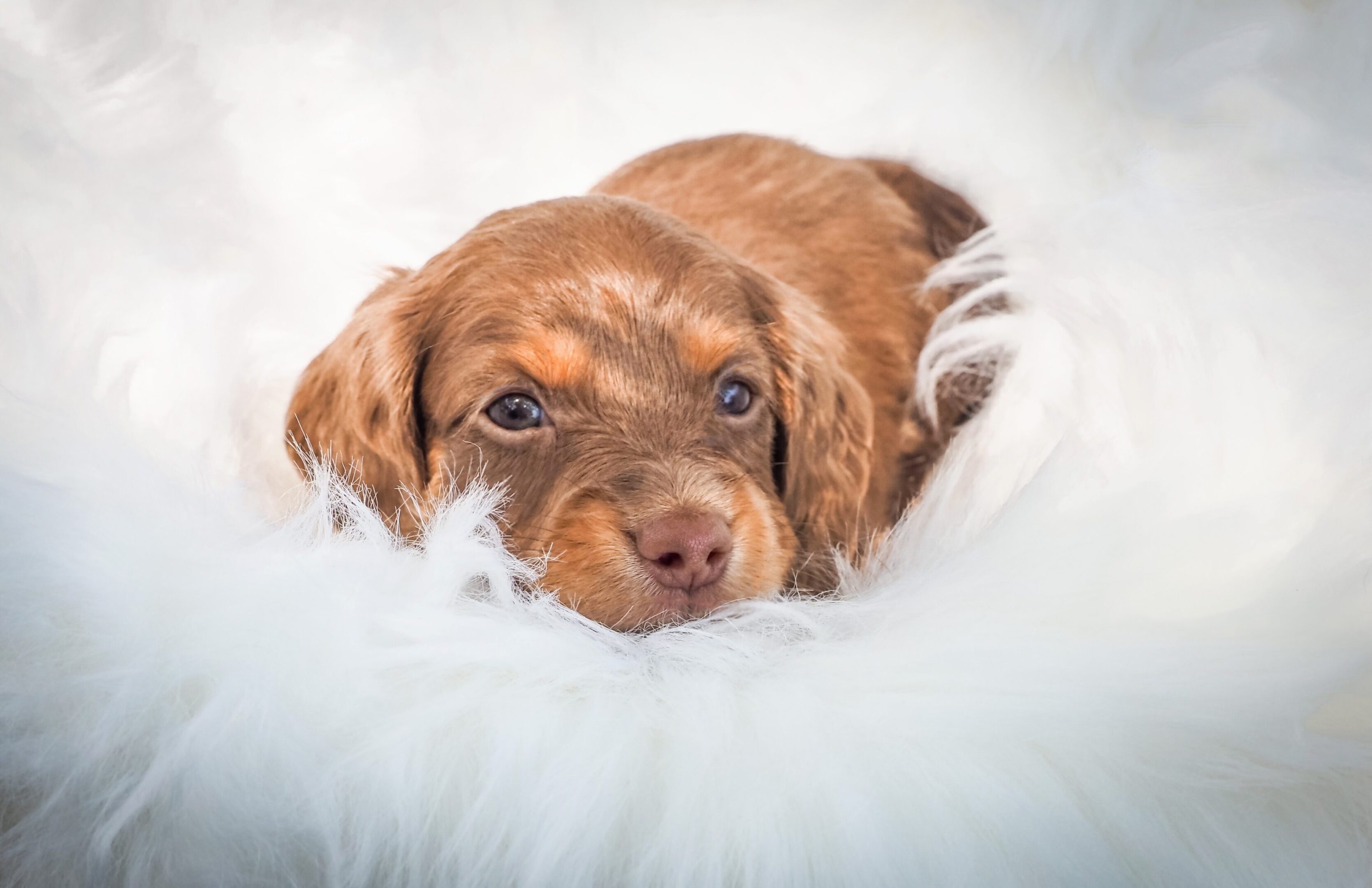
We Have Your Purrfect Ragdoll Kitten or Pawtential Miniature Dachshund Puppy Just Waiting for You!
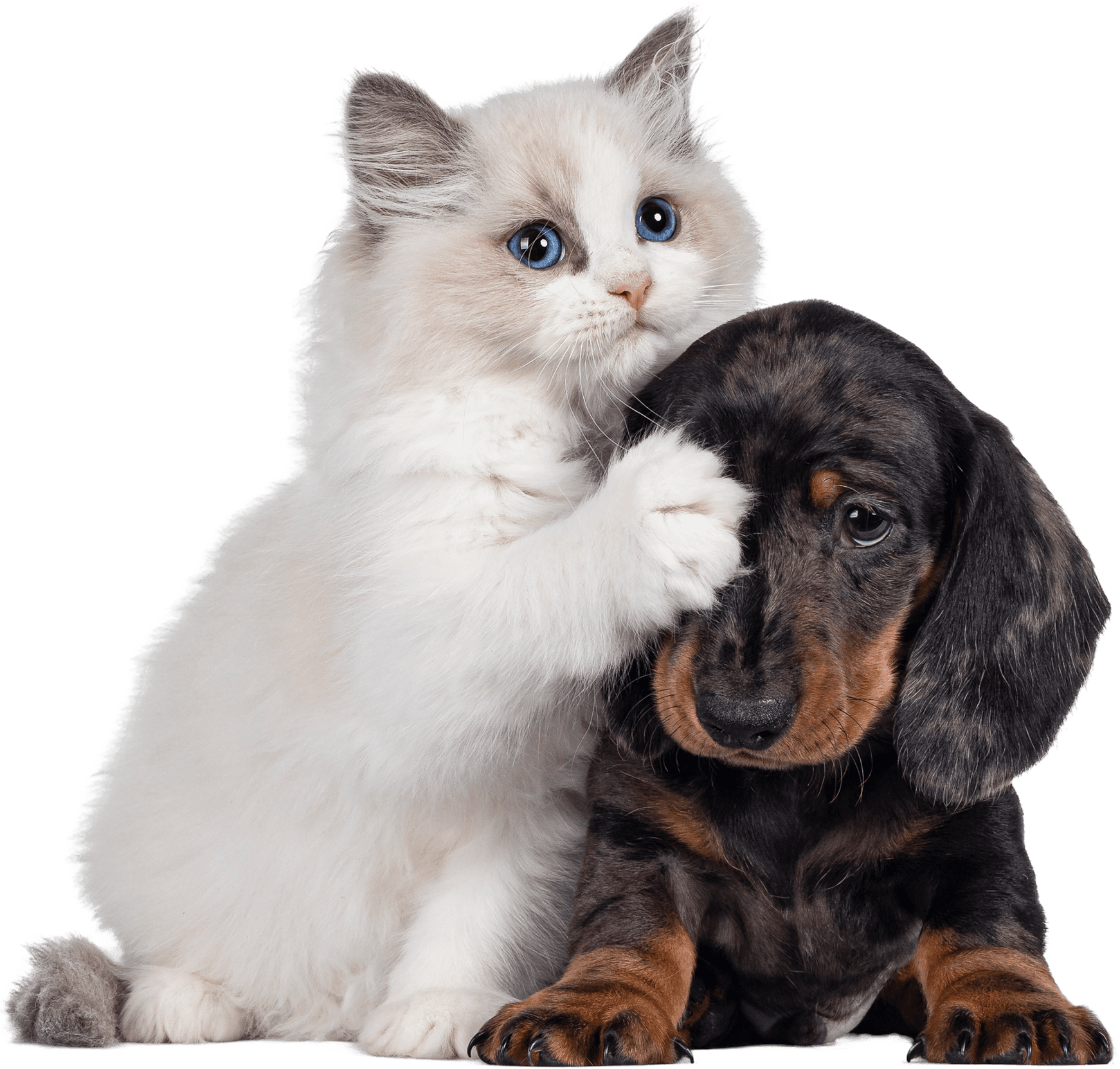
Whether you’re dreaming of soft cuddles or a playful little companion, your new best friend is right here. Don’t miss your chance to bring home a lifetime of love. We are passionate about breeding affectionate Ragdoll kittens and Miniature Dachshund puppies, with a strong focus on raising healthy, well-socialised companions ready to become part of your family. 🐾
Each of our pets is nurtured with care, love, and attention to ensure they grow into confident, loving lifelong companions. 💕Enquire Now!
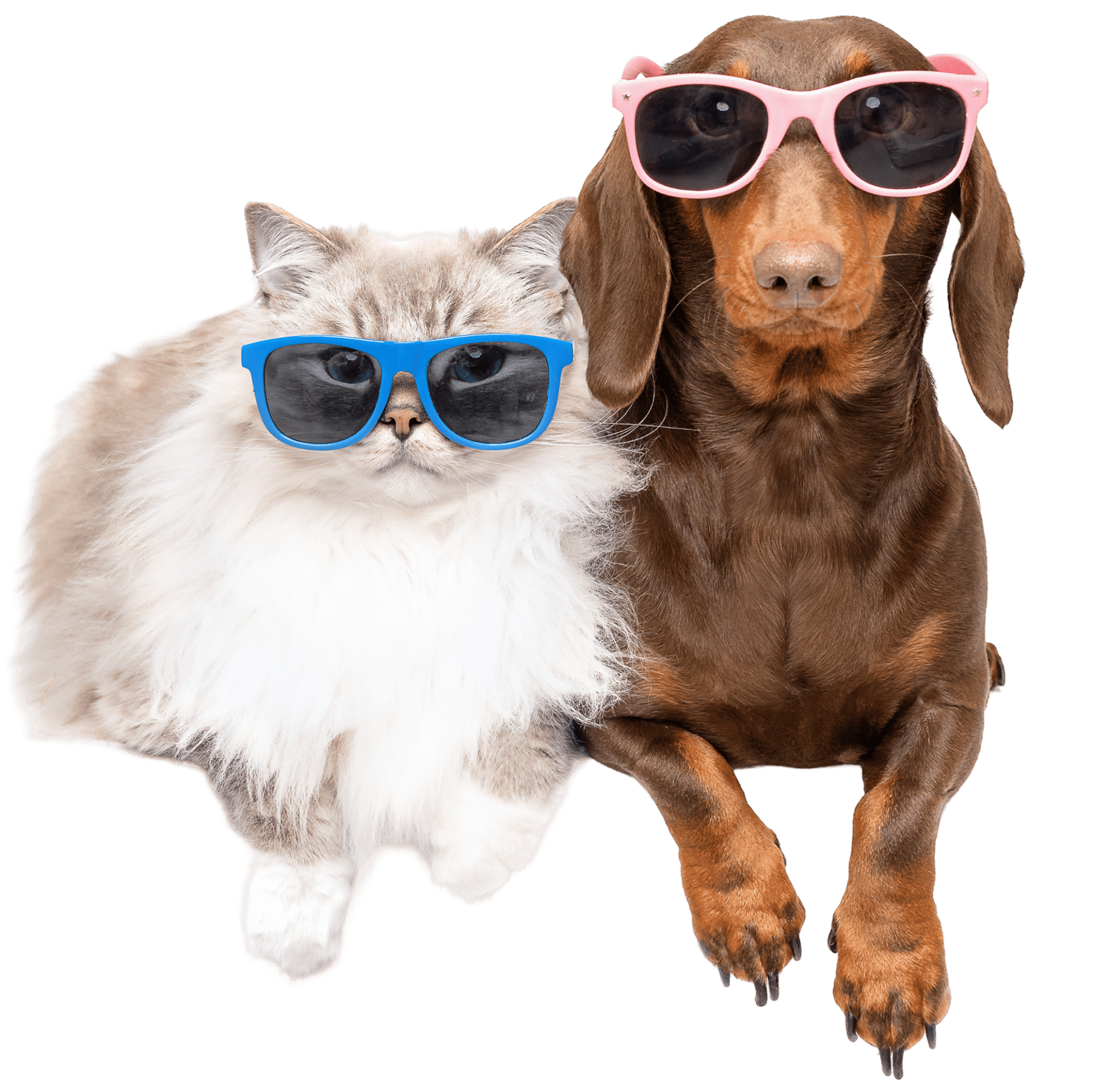
Bringing Love and Companionship to Australian Homes
At Dainty Dolls & Dashies, we are dedicated to the art of breeding exceptional Ragdoll kittens and exquisite Miniature Dachshund puppies for discerning homes across Australia.
With an unwavering commitment to health, temperament, and early development, each kitten and puppy is thoughtfully raised in a nurturing environment, ensuring they are beautifully socialised, confident, and ready to transition seamlessly into family life.
From our carefully curated breeding program to your home, we pride ourselves on providing not just a pet, but a refined lifelong companion of the highest standard 🐾✨. More About Us
Ethical Breeding
We prioritise the health, temperament, and overall well-being of every kitten and puppy in our care. Through responsible breeding practices and attentive early development, we ensure each pet is given the very best start in life—raising companions that are not only beautiful, but balanced, confident, and deeply affectionate.
Health Guarantee
Every kitten and puppy is thoroughly vet-checked, vaccinated, and microchipped prior to joining their new home. We are committed to giving each pet the healthiest possible start, providing you with confidence and peace of mind as you welcome your new companion.
Nationwide Adoption
We proudly connect families across Australia with their perfect furry companion. No matter where you’re located, we make the process seamless—ensuring your new kitten or puppy arrives safely and ready to become a cherished part of your home.
Lifetime Support
Our commitment doesn’t end at adoption. We’re here to provide ongoing guidance and support, offering trusted advice and reassurance as your kitten or puppy grows—so you always feel confident and supported on your journey together 🐾
The Exceptional Companion Breeds
At Dainty Dolls & Dashies, we proudly specialise in two exceptional companion breeds, carefully selected for their temperament, beauty, and suitability as loving family pets.
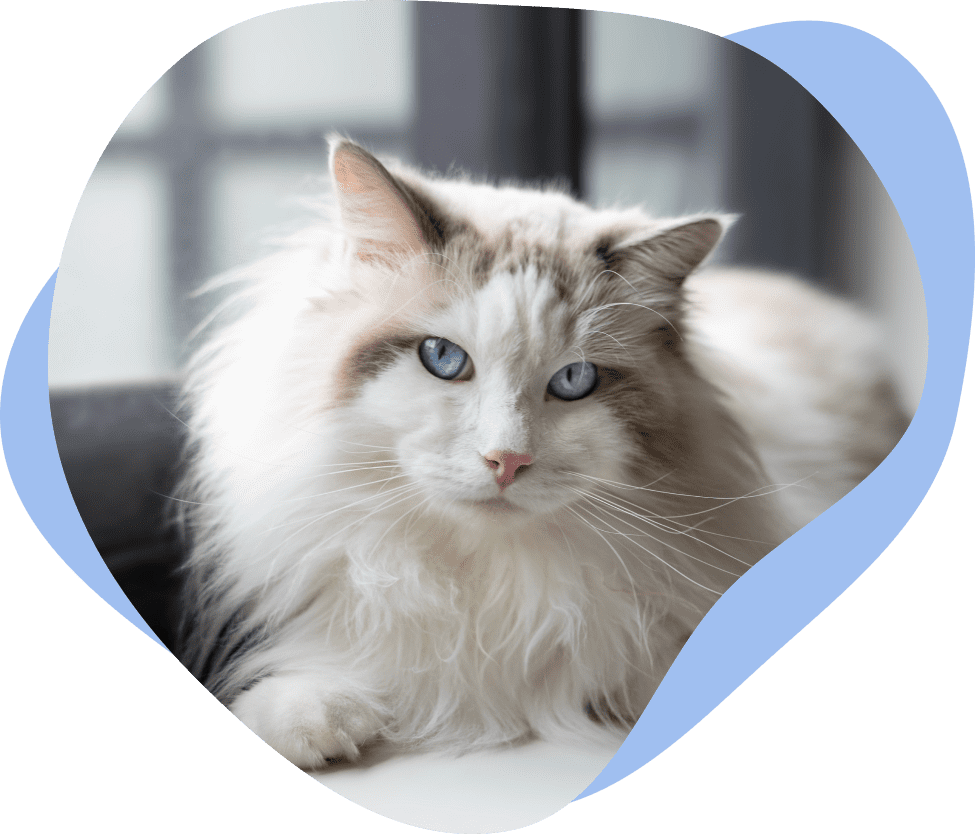
Ragdoll Cats
Affectionate, gentle, and adored for their striking blue eyes and luxuriously silky coats. Ragdolls are known for their calm, loving nature—making them the perfect companion for those seeking a relaxed and devoted feline friend. 🤍
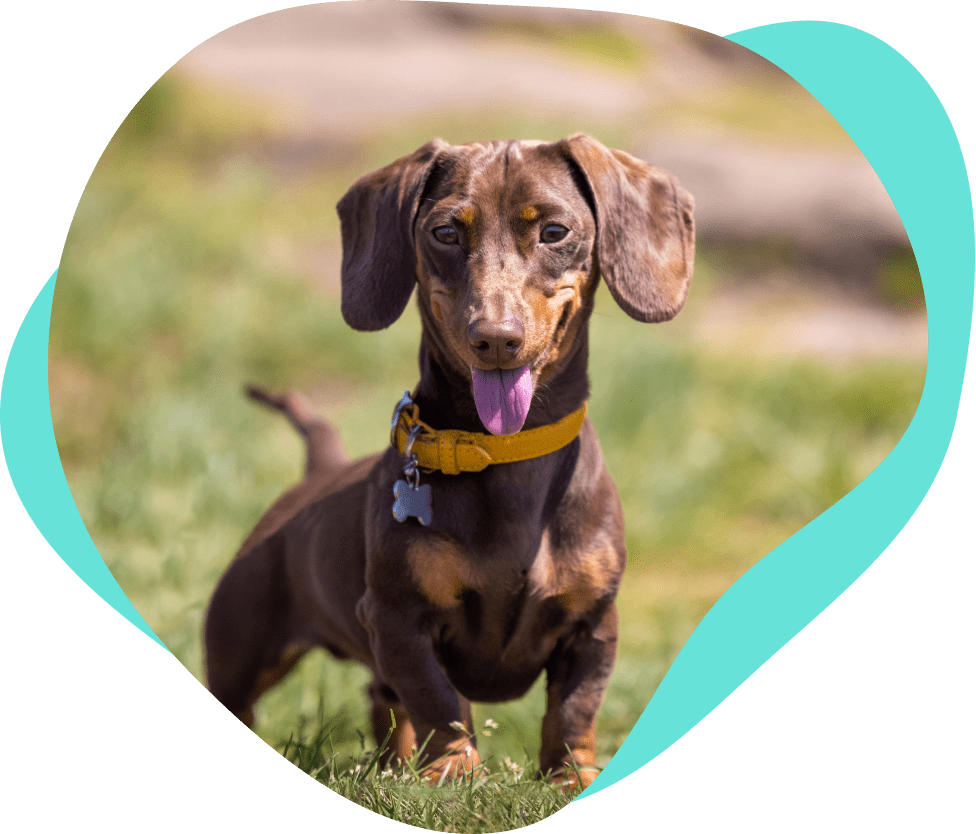
Miniature Dachshunds
Playful, loyal, and full of personality in a beautifully compact, lovable package. With their spirited nature and devoted temperament, Miniature Dachshunds make charming companions who bring joy, character, and endless affection into any home. 🤍 View Our Breeds
We’re Here to Help
Get in touch today to learn more about our Ragdoll kittens and Miniature Dachshund puppies. We’re always happy to answer your questions and guide you in finding the perfect companion for your home.🐾 Connect With Us
Frequently Asked Questions
- What is the difference between a Traditional Ragdoll, Mink and Sepia Ragdoll Cats?
The main difference between a traditional Ragdoll and a mink Ragdoll is coat genetics, texture, and colour expression, even though they share the same breed foundation and temperament traits.
A traditional Ragdoll (often called “classic” or “pointed Ragdoll”) has the well-known colour-point pattern: lighter body with darker points on the ears, face, paws, and tail. Their coat is typically plush, soft, and medium-length, and the contrast in colouring is quite clear. Eye colour is almost always a vivid deep blue, which is one of the breed’s signature features.
A mink Ragdoll, on the other hand, carries a different genetic combination that results in a richer, warmer, and more even coat colour. Instead of strong contrast points, mink Ragdolls tend to have a more blended appearance, with softer transitions between body and point colours. Their coats are often described as silkier, denser, and slightly glossier, and many people feel they have a “luxury plush” texture compared to the classic coat.
The biggest visual difference is eye colour. Mink Ragdolls typically have aqua, teal, or deeper sea-green eyes, rather than the bright blue seen in traditional Ragdolls. This is one of the easiest ways to tell them apart.
In terms of temperament, there is no reliable difference. Both types come from Ragdoll lines and are known for being affectionate, gentle, and people-oriented. Claims that one type is calmer or more social than the other are not strongly supported by breeding science—personality is influenced more by individual kitten upbringing and socialisation than coat type.
Here’s a clear breakdown of traditional (pointed), mink, and sepia Ragdolls. They’re all Ragdolls in terms of type and temperament, but they differ mainly in coat colour genetics, shading, and eye colour.
🐾 Traditional Ragdoll (Pointed)
This is the “classic” Ragdoll look most people recognise.
- Coat pattern: Strong colour points (ears, face, paws, tail) with a much lighter body
- Body colour: Creamy white or pale fawn depending on colour variety
- Eyes: Always deep blue
- Coat texture: Soft, plush, semi-longhair
- Overall look: High contrast, very defined “pointed” appearance
✔ Most widely accepted standard in traditional breeding registries
✔ Iconic blue-eyed look
🐾 Mink Ragdoll
Mink is a genetically different expression of the same pointed gene series, giving a richer appearance.
- Coat pattern: Still pointed, but less contrast than traditional
- Body colour: Warmer, richer tone throughout
- Eyes: Usually aqua, teal, or deep sea-green/blue-green
- Coat texture: Silkier, denser, often described as “glossier”
- Overall look: Softer contrast, more blended luxury appearance
✔ More vivid coat colouring
✔ Distinct eye colour (key identifier)
🐾 Sepia Ragdoll
Sepia is the richest and darkest expression of the same gene series.
- Coat pattern: Very low contrast; points blend heavily into the body
- Body colour: Much darker and more even overall
- Eyes: Typically gold, green-gold, or aqua (varies by line)
- Coat texture: Shorter-looking, very plush and dense
- Overall look: “Mini Burmese-like” richness but in a Ragdoll body type
✔ Most saturated coat colour
✔ Least “traditional Ragdoll” appearance visually
🧬 Key Differences at a Glance
| Type | Contrast | Eye Colour | Coat Look | Overall Style |
|---|---|---|---|---|
| Traditional | High | Deep blue | Soft & plush | Classic Ragdoll |
| Mink | Medium | Aqua / green-blue | Silky & glossy | Rich luxury look |
| Sepia | Low | Gold / green / aqua | Dense & plush | Deep, saturated colour |
Important note
All three can exist within Ragdoll lines depending on genetics. However:
- Some cat registries only recognise traditional pointed Ragdolls as “true Ragdolls”
- Mink and sepia are accepted in some organisations and disputed in others
- Temperament is not affected by coat type
2. What is the difference between a Long-Haired Dachshund and Smooth Haired Dachshunds?
The difference between a long-haired Dachshund and a smooth-haired (short-haired) Dachshund is mainly coat type, grooming needs, and appearance. Their temperament is essentially the same.
🐾 Smooth-Haired Dachshund
This is the original and most common coat type.
- Coat: Short, sleek, and shiny
- Texture: Smooth and close to the body
- Grooming: Very low maintenance (occasional brushing)
- Shedding: Moderate, but easy to manage
- Look: Clean, athletic, and classic “hot dog” silhouette
✔ Easiest coat type to care for
✔ Very practical for busy households
🐾 Long-Haired Dachshund
This variety has a more elegant, flowing coat.
- Coat: Medium to long, often feathered on ears, chest, belly, and tail
- Texture: Soft, silky, sometimes slightly wavy
- Grooming: Requires regular brushing to prevent knots and tangles
- Shedding: Similar, but hair is more noticeable due to length
- Look: Graceful, soft, and more “luxury pet” appearance
✔ More decorative, show-style appearance
✔ Needs more grooming care
Temperament (Important)
There is no consistent temperament difference between coat types.
Both long-haired and smooth-haired Dachshunds are:
- Loyal
- Playful
- Bold and confident
- Strong-willed (classic Dachshund trait)
Any differences people notice are usually due to individual personality or upbringing, not coat type.
Quick Comparison
| Feature | Smooth-Haired | Long-Haired |
|---|---|---|
| Coat | Short & sleek | Long & silky |
| Grooming | Very low | Moderate–high |
| Appearance | Classic & sporty | Elegant & soft |
| Maintenance | Easy | Needs brushing |
3. Can Ragdoll Cats and Miniature Dachshunds make great companions?
Yes—Ragdoll cats and Miniature Dachshunds can often get along very well, but it depends more on individual temperament, early socialisation, and proper introductions than the breeds themselves.
🐾 Why they can be a good match
🐱 Ragdolls
- Naturally gentle, calm, and tolerant
- Usually not easily stressed by other pets
- Often enjoy companionship without being overly territorial
🐶 Miniature Dachshunds
- Loyal, social, and curious
- Can bond closely with cats when raised with them
- Often have a strong “pack” mindset with family pets
Because of this, many households successfully keep them together as long as boundaries are respected.
⚠️ Things to be aware of
Even though they can get along, there are a few challenges to manage:
- Dachshunds have a strong hunting instinct (they were bred for hunting burrowing animals), so some may chase a cat if not trained early
- Ragdolls are very trusting, so they rely on the dog being well-behaved
- Size difference means rough play should be supervised at first
- Personality matters more than breed—some individuals simply won’t click
🏡 How to help them bond successfully
- Introduce them slowly and in a controlled environment
- Keep the cat safe with high resting spaces and escape routes
- Reward calm behaviour from the dachshund around the cat
- Avoid forcing interaction—let them build trust naturally
- Early exposure (puppy + kitten stage) is ideal
❤️ Best-case outcome
When matched well, a Ragdoll and Miniature Dachshund can:
- Sleep near each other
- Groom or cuddle occasionally
- Share the same space peacefully
- Develop a strong bonded companionship